
Meditation for Relaxation
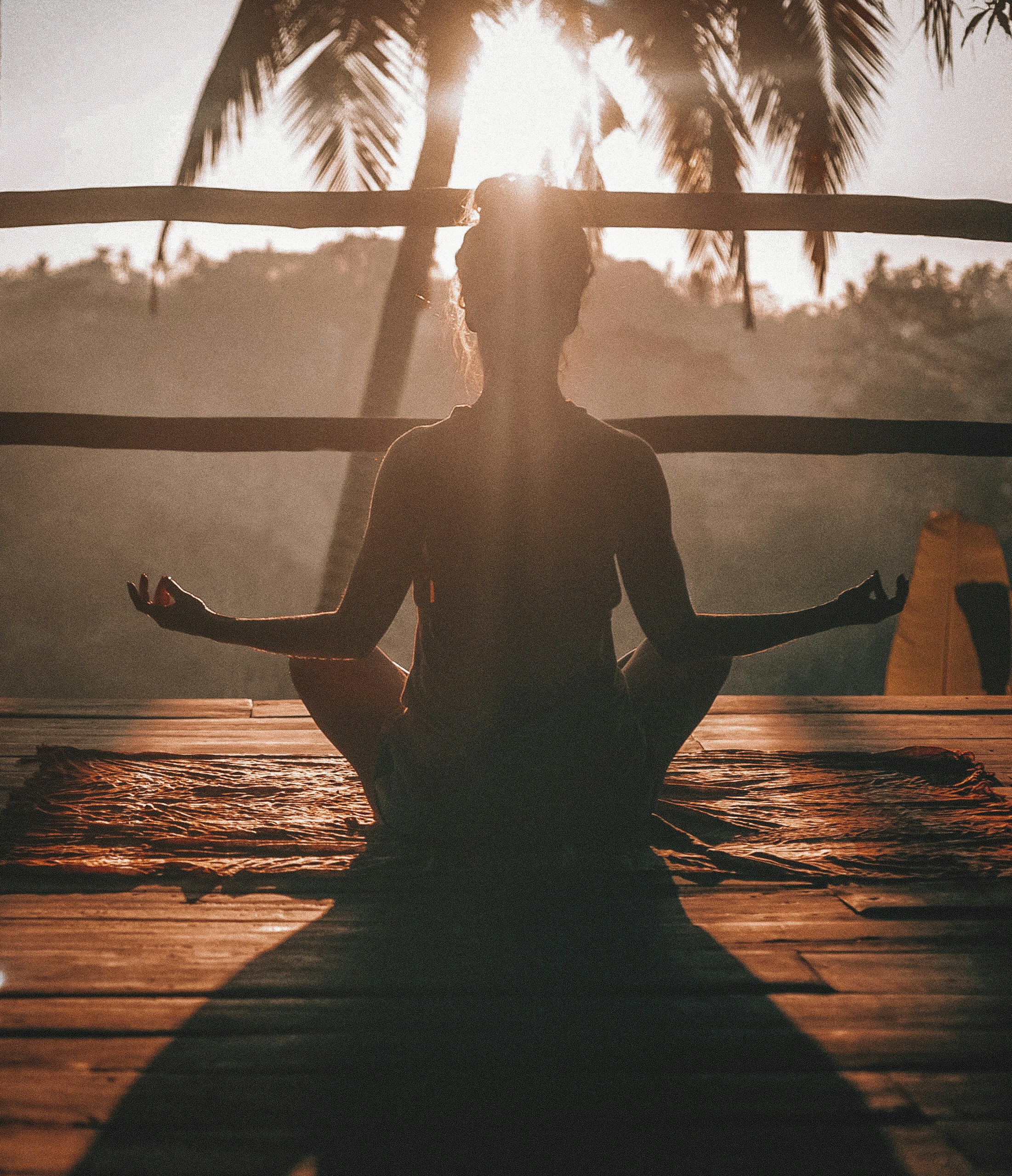

Introduction to Meditation
Meditation is often misunderstood as doing nothing, yet it
is one of the most active forms of self-awareness. In a fast-moving world, the
ability to pause and observe thoughts without being controlled by them is a
valuable skill. Meditation creates a space where the mind can recover from
constant stimulation.
For centuries, people have used meditation to cultivate clarity, emotional
balance, resilience, and inner peace. While traditions vary, the underlying
goal remains the same: developing a deeper connection with oneself.
This book explores practical methods, mindset shifts, and daily habits that can
help transform meditation from an occasional exercise into a meaningful
lifestyle practice.
Meditation is often misunderstood as doing nothing, yet it
is one of the most active forms of self-awareness. In a fast-moving world, the
ability to pause and observe thoughts without being controlled by them is a
valuable skill. Meditation creates a space where the mind can recover from
constant stimulation.
For centuries, people have used meditation to cultivate clarity, emotional
balance, resilience, and inner peace. While traditions vary, the underlying
goal remains the same: developing a deeper connection with oneself.
This book explores practical methods, mindset shifts, and daily habits that can
help transform meditation from an occasional exercise into a meaningful
lifestyle practice.
Meditation is often misunderstood as doing nothing, yet it
is one of the most active forms of self-awareness. In a fast-moving world, the
ability to pause and observe thoughts without being controlled by them is a
valuable skill. Meditation creates a space where the mind can recover from
constant stimulation.
For centuries, people have used meditation to cultivate clarity, emotional
balance, resilience, and inner peace. While traditions vary, the underlying
goal remains the same: developing a deeper connection with oneself.
This book explores practical methods, mindset shifts, and daily habits that can
help transform meditation from an occasional exercise into a meaningful
lifestyle practice.
The Science of Relaxation
Stress affects both the body and the mind. When stress
becomes chronic, it can impact sleep, concentration, mood, and physical health.
Meditation encourages the nervous system to shift from a state of tension into
a state of recovery.
Research suggests that mindfulness practices can improve focus, reduce anxiety,
and support emotional regulation. Regular practice trains the brain to become
less reactive and more present.
Stress affects both the body and the mind. When stress
becomes chronic, it can impact sleep, concentration, mood, and physical health.
Meditation encourages the nervous system to shift from a state of tension into
a state of recovery.
Research suggests that mindfulness practices can improve focus, reduce anxiety,
and support emotional regulation. Regular practice trains the brain to become
less reactive and more present.
Stress affects both the body and the mind. When stress
becomes chronic, it can impact sleep, concentration, mood, and physical health.
Meditation encourages the nervous system to shift from a state of tension into
a state of recovery.
Research suggests that mindfulness practices can improve focus, reduce anxiety,
and support emotional regulation. Regular practice trains the brain to become
less reactive and more present.
Preparing Your Mind for Meditation
Many beginners expect immediate silence in the mind. In
reality, meditation starts with observing thoughts rather than eliminating
them. The first step is accepting the natural activity of the mind.
Choose a quiet environment, sit comfortably, and allow yourself permission to
slow down. Progress comes through consistency, not perfection.
Many beginners expect immediate silence in the mind. In
reality, meditation starts with observing thoughts rather than eliminating
them. The first step is accepting the natural activity of the mind.
Choose a quiet environment, sit comfortably, and allow yourself permission to
slow down. Progress comes through consistency, not perfection.
Many beginners expect immediate silence in the mind. In
reality, meditation starts with observing thoughts rather than eliminating
them. The first step is accepting the natural activity of the mind.
Choose a quiet environment, sit comfortably, and allow yourself permission to
slow down. Progress comes through consistency, not perfection.
Breath Awareness Techniques
Breathing is the foundation of many meditation traditions.
By focusing attention on each inhale and exhale, the mind gradually becomes
calmer and more focused.
A simple exercise involves inhaling slowly, pausing briefly, and exhaling
gently. When distractions arise, return attention to the breath without
criticism.
Breathing is the foundation of many meditation traditions.
By focusing attention on each inhale and exhale, the mind gradually becomes
calmer and more focused.
A simple exercise involves inhaling slowly, pausing briefly, and exhaling
gently. When distractions arise, return attention to the breath without
criticism.
Breathing is the foundation of many meditation traditions.
By focusing attention on each inhale and exhale, the mind gradually becomes
calmer and more focused.
A simple exercise involves inhaling slowly, pausing briefly, and exhaling
gently. When distractions arise, return attention to the breath without
criticism.
Body Scan Meditation
A body scan involves directing awareness through different
areas of the body. This practice helps identify hidden tension and encourages
physical relaxation.
By paying attention to sensations without judgment, practitioners develop
greater awareness of the connection between mind and body.
A body scan involves directing awareness through different
areas of the body. This practice helps identify hidden tension and encourages
physical relaxation.
By paying attention to sensations without judgment, practitioners develop
greater awareness of the connection between mind and body.
A body scan involves directing awareness through different
areas of the body. This practice helps identify hidden tension and encourages
physical relaxation.
By paying attention to sensations without judgment, practitioners develop
greater awareness of the connection between mind and body.
Visualization and Mental Imagery
Visualization uses imagination to create positive and
calming experiences. A peaceful beach, mountain landscape, or quiet forest can
become powerful tools for relaxation.
Mental imagery is also used by athletes and performers to improve confidence
and performance.
Visualization uses imagination to create positive and
calming experiences. A peaceful beach, mountain landscape, or quiet forest can
become powerful tools for relaxation.
Mental imagery is also used by athletes and performers to improve confidence
and performance.
Visualization uses imagination to create positive and
calming experiences. A peaceful beach, mountain landscape, or quiet forest can
become powerful tools for relaxation.
Mental imagery is also used by athletes and performers to improve confidence
and performance.
Mindfulness in Everyday Life
Meditation does not end when a session finishes. Mindfulness
can be practiced while eating, walking, working, or having conversations.
By paying attention to the present moment, people often discover greater
appreciation for ordinary experiences.
Meditation does not end when a session finishes. Mindfulness
can be practiced while eating, walking, working, or having conversations.
By paying attention to the present moment, people often discover greater
appreciation for ordinary experiences.
Meditation does not end when a session finishes. Mindfulness
can be practiced while eating, walking, working, or having conversations.
By paying attention to the present moment, people often discover greater
appreciation for ordinary experiences.
Managing Anxiety Through Meditation
Anxiety often involves worries about future events.
Meditation teaches individuals to return attention to the present moment
instead of becoming trapped in endless scenarios.
Over time, this practice can reduce emotional overwhelm and create a stronger
sense of stability.
Anxiety often involves worries about future events.
Meditation teaches individuals to return attention to the present moment
instead of becoming trapped in endless scenarios.
Over time, this practice can reduce emotional overwhelm and create a stronger
sense of stability.
Anxiety often involves worries about future events.
Meditation teaches individuals to return attention to the present moment
instead of becoming trapped in endless scenarios.
Over time, this practice can reduce emotional overwhelm and create a stronger
sense of stability.
Emotional Intelligence and Self-Awareness
Meditation strengthens the ability to recognize emotions
before reacting to them. This awareness improves communication, relationships,
and decision-making.
Instead of suppressing feelings, meditation encourages understanding them more
clearly.
Meditation strengthens the ability to recognize emotions
before reacting to them. This awareness improves communication, relationships,
and decision-making.
Instead of suppressing feelings, meditation encourages understanding them more
clearly.
Meditation strengthens the ability to recognize emotions
before reacting to them. This awareness improves communication, relationships,
and decision-making.
Instead of suppressing feelings, meditation encourages understanding them more
clearly.
Walking Meditation
Walking meditation combines movement with awareness. Each
step becomes an opportunity to focus attention on physical sensations,
breathing, and surroundings.
This approach is especially useful for people who struggle with sitting still
for long periods.
Walking meditation combines movement with awareness. Each
step becomes an opportunity to focus attention on physical sensations,
breathing, and surroundings.
This approach is especially useful for people who struggle with sitting still
for long periods.
Walking meditation combines movement with awareness. Each
step becomes an opportunity to focus attention on physical sensations,
breathing, and surroundings.
This approach is especially useful for people who struggle with sitting still
for long periods.
Yoga and Meditation
Yoga prepares the body for stillness while meditation trains
the mind. Together, they create a balanced approach to physical and mental
wellbeing.
Breathing exercises, gentle stretches, and mindful movement can deepen the
benefits of meditation.
Yoga prepares the body for stillness while meditation trains
the mind. Together, they create a balanced approach to physical and mental
wellbeing.
Breathing exercises, gentle stretches, and mindful movement can deepen the
benefits of meditation.
Yoga prepares the body for stillness while meditation trains
the mind. Together, they create a balanced approach to physical and mental
wellbeing.
Breathing exercises, gentle stretches, and mindful movement can deepen the
benefits of meditation.
Building a Daily Practice
Consistency is more important than duration. A daily
ten-minute session can produce greater results than occasional long sessions.
Creating a dedicated space and maintaining a regular schedule increases the
likelihood of success.
Consistency is more important than duration. A daily
ten-minute session can produce greater results than occasional long sessions.
Creating a dedicated space and maintaining a regular schedule increases the
likelihood of success.
Consistency is more important than duration. A daily
ten-minute session can produce greater results than occasional long sessions.
Creating a dedicated space and maintaining a regular schedule increases the
likelihood of success.
Common Challenges
Restlessness, boredom, and wandering thoughts are common
obstacles. These experiences do not indicate failure; they are part of the
learning process.
Patience and persistence are essential for long-term progress.
Restlessness, boredom, and wandering thoughts are common
obstacles. These experiences do not indicate failure; they are part of the
learning process.
Patience and persistence are essential for long-term progress.
Restlessness, boredom, and wandering thoughts are common
obstacles. These experiences do not indicate failure; they are part of the
learning process.
Patience and persistence are essential for long-term progress.
Advanced Reflection Practices
As meditation skills develop, practitioners often explore
deeper forms of contemplation, gratitude practices, and self-inquiry.
These methods encourage personal growth and a broader understanding of life's
experiences.
As meditation skills develop, practitioners often explore
deeper forms of contemplation, gratitude practices, and self-inquiry.
These methods encourage personal growth and a broader understanding of life's
experiences.
As meditation skills develop, practitioners often explore
deeper forms of contemplation, gratitude practices, and self-inquiry.
These methods encourage personal growth and a broader understanding of life's
experiences.
Conclusion
Meditation is not about becoming a different person. It is
about becoming more aware of who you already are. Through regular practice,
individuals can cultivate clarity, resilience, calmness, and a stronger
connection to the present moment.
The journey of meditation is ongoing, and every session offers an opportunity
for growth.
Meditation is not about becoming a different person. It is
about becoming more aware of who you already are. Through regular practice,
individuals can cultivate clarity, resilience, calmness, and a stronger
connection to the present moment.
The journey of meditation is ongoing, and every session offers an opportunity
for growth.
Meditation is not about becoming a different person. It is
about becoming more aware of who you already are. Through regular practice,
individuals can cultivate clarity, resilience, calmness, and a stronger
connection to the present moment.
The journey of meditation is ongoing, and every session offers an opportunity
for growth.
Thanks for visiting Calm Scripts. Leave your comment below.